What We Do

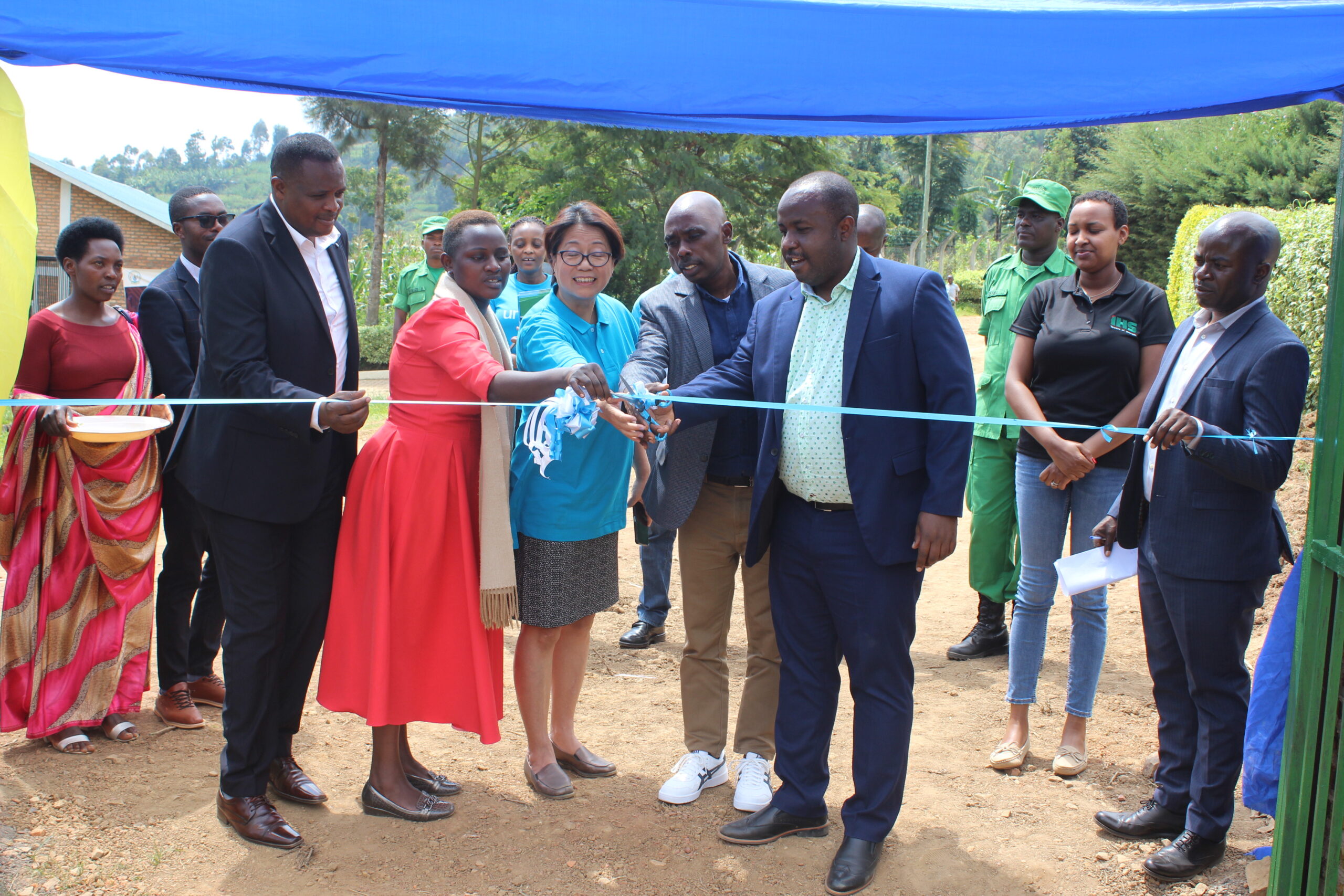
Our Programs

Comprehensive, community-driven development programs addressing the most urgent human needs across Africa.

Our Approach

Programs Designed Around Communities

Every ADEPE program is co-designed with the communities it serves. We begin with listening — deep consultation, needs assessments, and participatory planning — before implementing any intervention. This ensures our programs are not only effective, but sustainable.

Across six core areas, our programs combine direct service delivery with capacity building, advocacy, and systems change — addressing both immediate needs and long-term structural causes of inequality.

Education
Health
Agriculture
Youth
Women
Environment
Justice and Governance
Education program
Program 01

Education & Literacy

We believe education is the most powerful tool for breaking cycles of poverty. ADEPE's education programs expand access to quality learning at every level — from early childhood through adult literacy — with special focus on girls and children in conflict-affected areas.

  • School construction and rehabilitation
  • Teacher training and professional development
  • Girls' scholarships and retention support
  • Adult literacy and numeracy classes
  • Digital skills and e-learning access
  • Early childhood development centers
Program 02

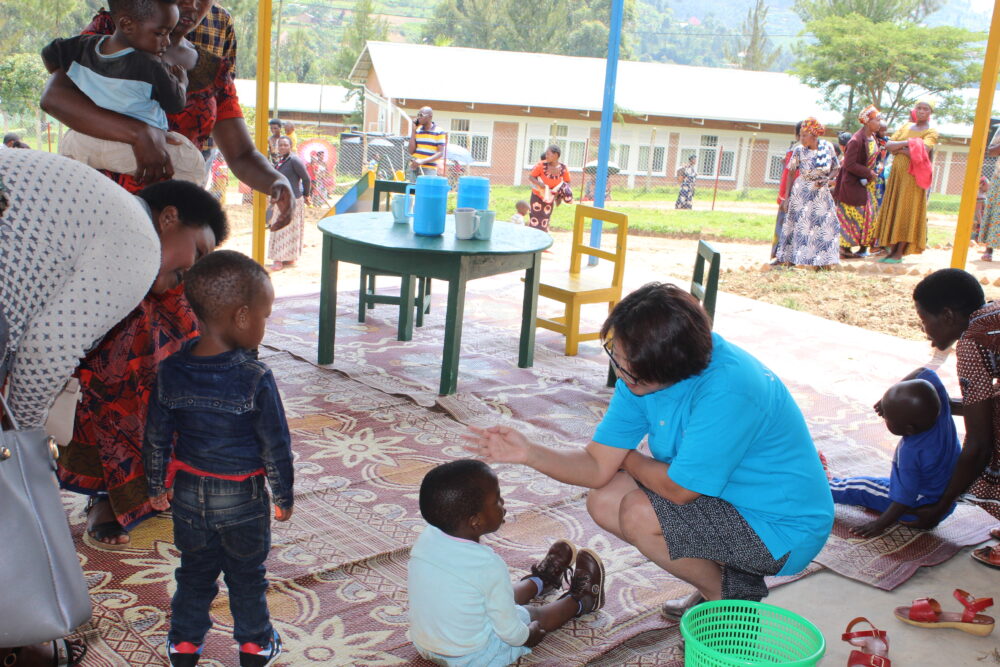
Community Health

Healthy communities are the foundation of all development. ADEPE's health programs bridge the gap between communities and health systems, delivering essential services directly to those who need them most — with a focus on preventive care, maternal health, and nutrition.

  • Mobile health clinics reaching remote communities
  • Maternal and child health care
  • Malnutrition prevention and nutrition counseling
  • Community health worker training
  • Vaccination campaigns
  • Mental health and psychosocial support
Health program
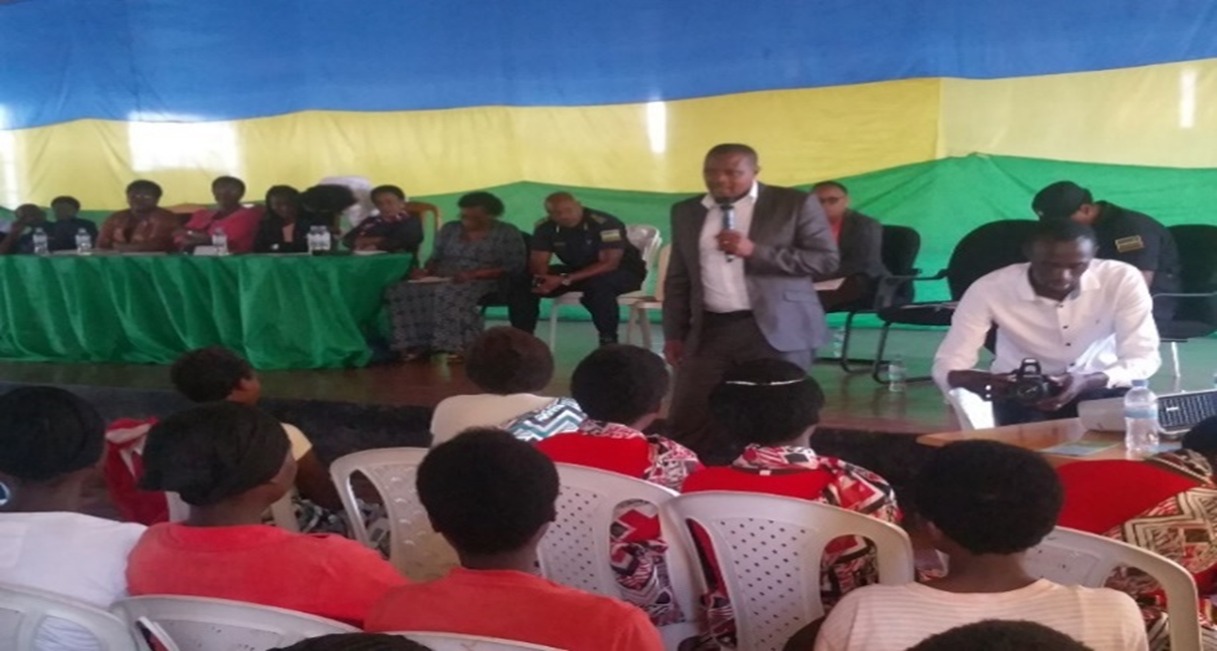
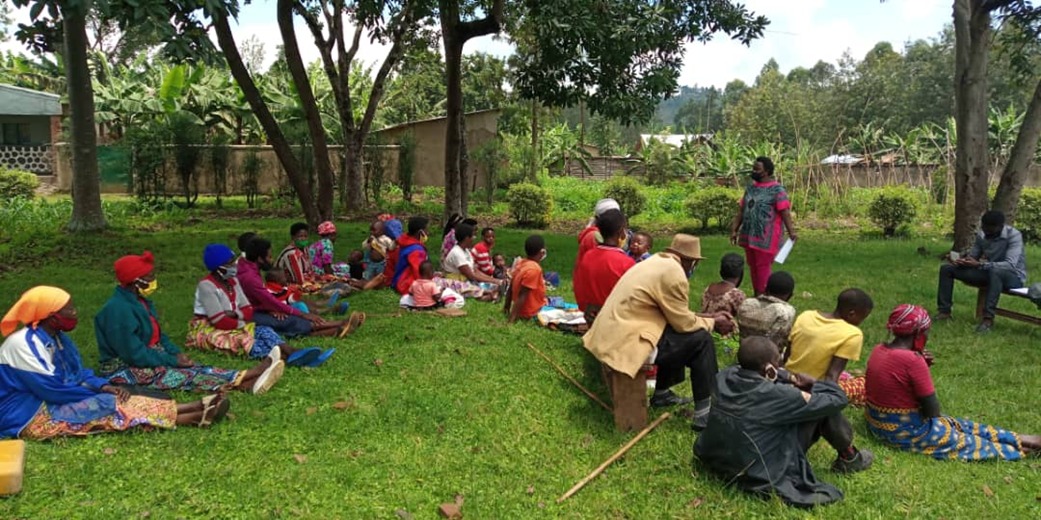
Governance and justice forum Community dialogue session
Program Area

Governance & Justice Sector

ADEPE contributes to strengthening governance, social cohesion, and access to justice through its community-based Alternative Dispute Resolution (ADR) model implemented under different governance and justice initiatives. Building on its expertise in conflict transformation, legal aid, advocacy, and gender-responsive programming, ADEPE has supported communities in Musanze, Rubavu, and Gicumbi districts to resolve disputes amicably and prevent the escalation of conflicts. The organization trains and mentors community mediators, local leaders, and community structures on dialogue facilitation, mediation techniques, negotiation skills, and restorative approaches that promote peaceful coexistence and reconciliation.

Through this ADR model, ADEPE provides a safe and accessible platform where disputing parties voluntarily engage in dialogue to identify mutually acceptable solutions. The approach has enabled communities to address family disputes, land-related conflicts, inheritance disagreements, gender-related disputes, neighborhood misunderstandings, and other community tensions without resorting to lengthy and costly formal judicial processes. The model emphasizes consensus-building, confidentiality, impartiality, and the restoration of relationships, thereby strengthening trust among community members and local governance institutions.

In parallel, ADEPE has enhanced citizen participation and accountability through the Community Score Card process implemented in Nyabihu, Gicumbi, Rulindo, and Gakenke as part of the Public Policy Information, Monitoring and Advocacy (PPIMA) Project, funded by Norwegian People's Aid (NPA). Combined with the ADR interventions, these achievements demonstrate ADEPE's commitment to promoting responsive governance, peaceful conflict resolution, citizen empowerment, and equitable access to justice at the community level.

GBV & SGBV Prevention

Promoting gender equity, speaking out against teenage defilement and early pregnancy, and influencing policies through awareness meetings and community dialogues — aiming at good governance and peaceful cohabitation for vulnerable populations.

Education on Law & Human Rights

Equipping communities with knowledge of their legal rights and civic responsibilities, enabling individuals to advocate for themselves and access justice systems with confidence and dignity.

More Programs

Additional Focus Areas

03

Agricultural Development

Boosting food security and farmer incomes through modern farming techniques, cooperative development, irrigation infrastructure, post-harvest handling, and market linkages.

  • Farmer training and extension services
  • Cooperative formation and management
  • Irrigation and water management
  • Market access and trade facilitation
  • Crop diversification and food security
04

Youth Entrepreneurship

Equipping young people with the skills, seed funding, mentorship, and networks to build sustainable businesses and become job creators in their communities.

  • Business planning and management training
  • Access to startup grants
  • Mentorship and coaching networks
  • Digital entrepreneurship skills
  • Youth-led cooperative development
05

Women Empowerment

Advancing gender equality through women's economic inclusion, legal education, leadership development, protection from gender-based violence, and access to microfinance.

  • Women's savings and loan groups
  • Legal rights and GBV prevention education
  • Leadership and civic participation
  • Vocational skills training
  • Gender-responsive budgeting advocacy
06

Environmental Sustainability

Building community resilience to climate change through reforestation, clean energy adoption, sustainable land management, and environmental education.

  • Community reforestation campaigns
  • Solar energy access for households
  • Climate-smart agriculture practices
  • Waste management programs
  • Environmental education in schools

Support Our Programs

Your donation directly funds the programs that are changing lives. Every contribution matters.